Table of Contents
- Why Does Fragmentation Matter In Climate Leadership?
- What Barriers Keep Leaders Working In Isolation?
- What Can We Learn From Nature’s Networks?
- Where Are Sparks Of Connection Already Emerging?
- How Do Policy Shifts Deepen Fragmentation?
- How Can Technology Serve As A Connector?
- What Is the Takeaway For Climate Leadership?
- FAQs
1. Why Does Fragmentation Matter In Climate Leadership?
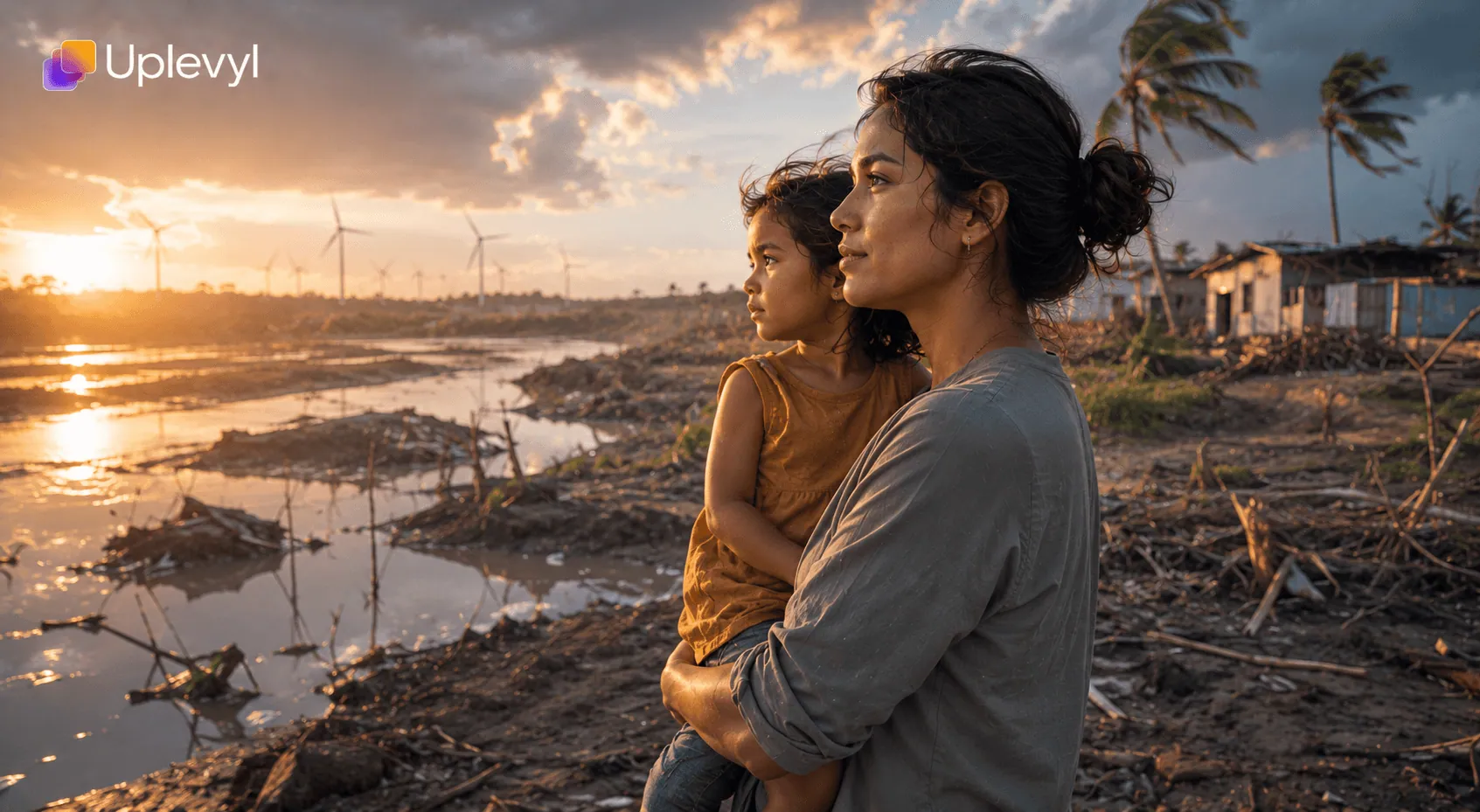
In 2025, wildfires have already consumed nearly 4 million acres across the U.S. At the same time, major funding rollbacks have left billions in climate programs frozen. Beyond these visible crises lies another challenge: fragmentation.
Brilliant leaders are advancing solutions around the globe, but too often they remain disconnected, their impact scattered rather than unified.
2. What Barriers Keep Leaders Working In Isolation?
Several structural gaps prevent collaboration from reaching its full potential:
- The Data Drought: Impact is measured in scattered reports, making it hard to see the full picture.
- The Network Gap: Leaders often remain isolated from peers working on complementary efforts.
- The Organizational Bottleneck: Scarce funding forces competition rather than collaboration, slowing innovation.
The result: many promising efforts operate in silos, limiting their ability to scale.
3. What Can We Learn From Nature’s Networks?
Nature demonstrates the power of connection:
- The Starling Solution: Murmurations show how thousands of birds can move as one without a central leader, creating agility and strength.
- The Underground Web: Mycelial networks connect trees, sharing nutrients and signals so no tree stands alone in crisis.
Both systems remind us that survival depends on connection.
4. Where Are Sparks Of Connection Already Emerging?
Some leaders are already building networks that cross borders:
- Ineza Umuhoza Grace launched the Loss and Damage Youth Coalition, spanning 60+ countries.
- Xiomara Acevedo bridges grassroots communities and national policy in Colombia.
- Hannah Jones, former CEO of The Earthshot Prize, channels resources toward high-impact climate innovations.
Individually, these leaders inspire. Collectively, their potential is transformative.
5. How Do Policy Shifts Deepen Fragmentation?
Recent funding freezes — including cuts across clean energy, community resilience, and home efficiency programs — have created uncertainty for many organizations.
When structural support disappears, existing fractures widen. Instead of collaborating, organizations often compete for limited resources, leaving potential untapped.
6. How Can Technology Serve As A Connector?
Technology can help knit fragmented efforts into stronger networks:
- Aggregating Data: Creating dashboards that reveal global patterns.
- Enabling Collaboration: Linking leaders across geographies in real time.
- Matching Resources: Helping organizations find allies and avoid duplicated efforts.
This isn’t about replacing human connection but amplifying it — much like nature’s networks.
7. What Is the Takeaway For Climate Leadership?
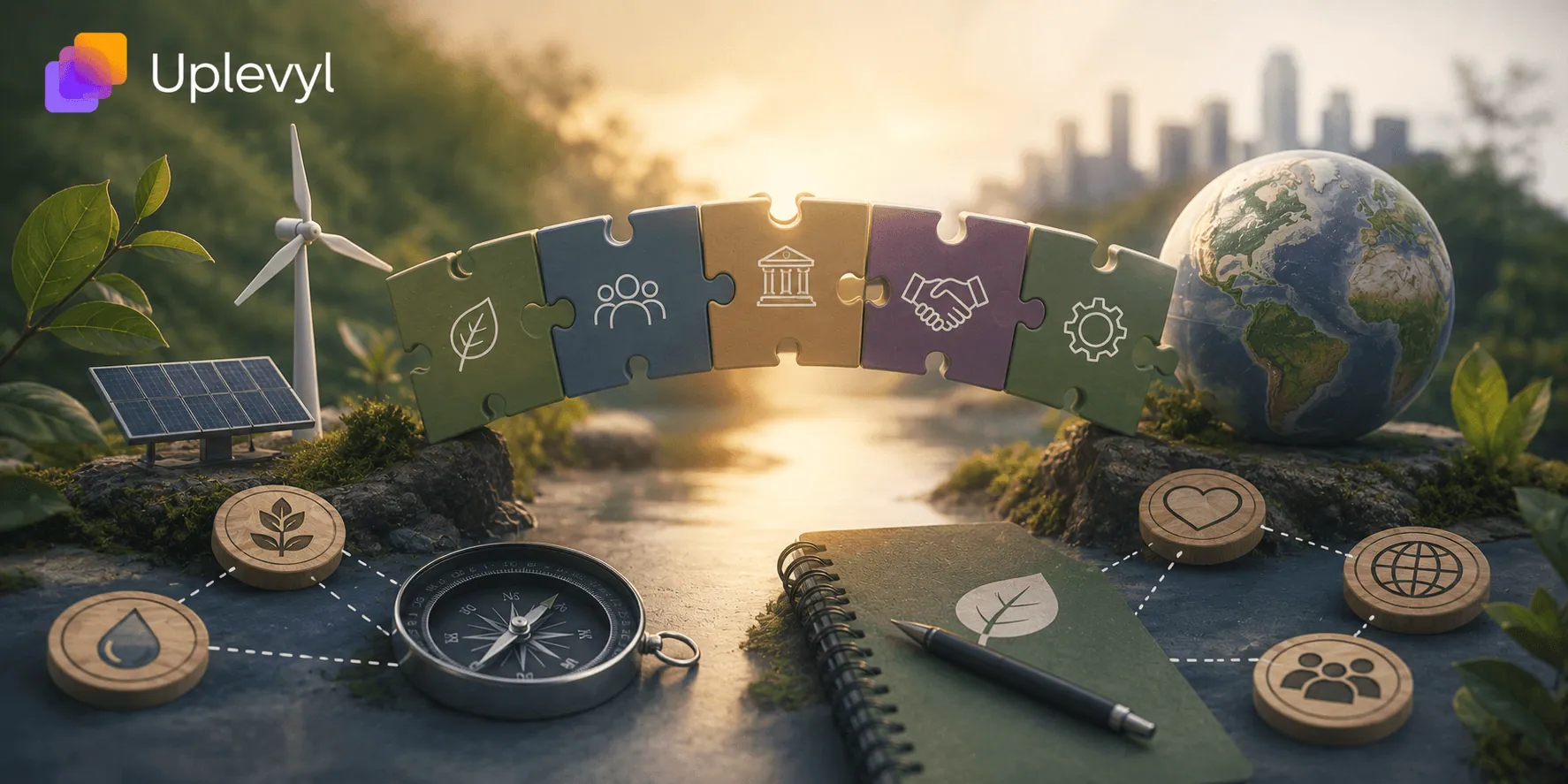
The climate crisis is accelerating, and policy support is uncertain. Yet there is enormous untapped potential in uniting leaders who are currently working in isolation.
At Uplevyl, we believe technology can provide the connective tissue needed to amplify voices, accelerate collaboration, and strengthen resilience.
The question is no longer whether leaders are capable — they already are. The question is whether we can build the infrastructure that allows their work to reach its full potential.
8. FAQs
1. Why is fragmentation such a challenge in global climate leadership?
Fragmentation limits the effectiveness of climate action by keeping data, funding, and innovation trapped in silos. When organizations, researchers, and governments work in isolation, the collective impact of their efforts is diluted — even when goals align. Unified networks amplify reach, efficiency, and accountability.
2. What are the main barriers preventing collaboration among climate leaders?
Common barriers include scattered data systems, lack of cross-sector communication, competitive funding structures, and policy uncertainty. These challenges make it difficult for leaders and organizations to coordinate, measure progress, or share lessons across regions.
3. What lessons can climate leaders learn from natural systems?
Nature offers powerful models of connection. Starling murmurations and mycelial networks show how decentralized systems can operate with agility and cooperation. Similarly, climate leaders can thrive when information and resources flow freely across diverse actors — creating resilience through collaboration.
4. Where are examples of global climate collaboration already emerging?
Bright spots include initiatives like the Loss and Damage Youth Coalition, Earthshot Prize collaborations, and cross-border advocacy led by Ineza Umuhoza Grace and Xiomara Acevedo. These efforts demonstrate how shared purpose and connected ecosystems can scale climate impact beyond national or institutional boundaries.
5. How do recent policy and funding changes contribute to fragmentation?
Funding freezes and shifting policy priorities often force organizations to compete for fewer resources, eroding trust and collaboration. Without stable, long-term investment in climate infrastructure, even the most innovative leaders struggle to align their strategies for collective impact.
6. How can technology help unify climate action across borders and sectors?
Technology can act as connective infrastructure — aggregating impact data, enabling real-time collaboration, and matching resources or partners globally. Digital platforms like Uplevyl can help climate leaders share insights, avoid duplication, and coordinate action with the same interdependence seen in nature’s networks.