Table of Contents
- What Is the Data Economy and Why Should Professionals Care?
- How Does Data Become a Source of Wealth?
- What Are the Hidden Costs of Constant Tracking?
- Who Benefits Most From the Digital Economy?
- How Can Women Build Digital Awareness and Control?
- What Practical Steps Strengthen Digital Resilience?
- Why Digital Literacy Is a Career Advantage
- FAQs
1. What Is the Data Economy and Why Should Professionals Care?
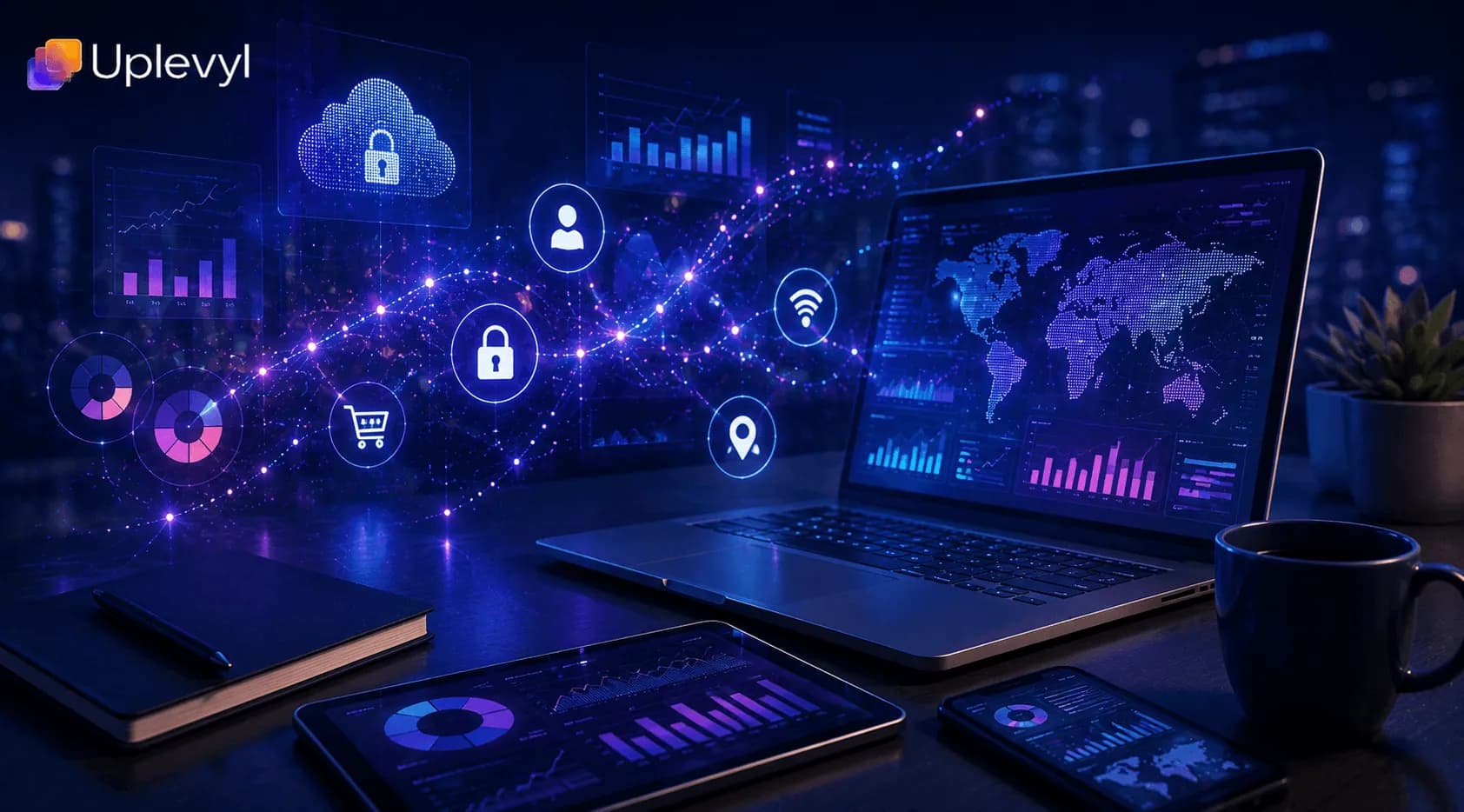
Every online action — from a quick search to a late-night scroll — generates data that fuels one of the fastest-growing sectors of the global economy. Analysts call this the data economy, where personal information becomes a business asset powering advertising, recommendation systems, and automation.
For working professionals, this shift matters deeply. Data is shaping hiring, promotion, and purchasing decisions. Understanding how your digital footprint is used gives you both agency and advantage in the new world of AI-driven decision-making.
2. How Does Data Become a Source of Wealth?
Modern platforms operate on a simple model: collect, predict, and monetize. Every preference you reveal — how long you pause on an image, which topics you explore, or how you interact with colleagues online — is transformed into a predictive insight.
This predictive capability is what makes data so valuable. Global digital advertising reached over $225 billion in 2023, showing how much wealth is generated by information we give away freely. The more precise the prediction, the higher the profit.
Yet for most users, that value doesn’t flow back. The challenge — and opportunity — lies in understanding your role in this ecosystem so you can make smarter, more informed digital choices.
3. What Are the Hidden Costs of Constant Tracking?
Constant connectivity has benefits, but it also carries hidden risks.
Overexposure of personal data can lead to fatigue, anxiety, and reduced focus — all of which impact performance and well-being.
For professionals, unmanaged data exposure can also affect reputations. Information shared casually online may resurface in unexpected contexts. Awareness and control are key skills in the modern workplace — especially for women balancing personal privacy with professional visibility.
A proactive approach to digital resilience helps reduce these risks while maintaining the benefits of online engagement.
4. Who Benefits Most From the Digital Economy?
In today’s digital landscape, a small number of global companies hold the majority of user data — and the financial benefits that come with it. Technology executives remain among the highest-compensated leaders, while the everyday user receives access to “free” platforms in exchange for their information.
This model presents a major opportunity for women professionals and entrepreneurs: to build, invest in, and champion technology solutions that respect data privacy, transparency, and ethical innovation. Companies that balance profit with user trust will lead the next wave of digital growth.
5. How Can Women Build Digital Awareness and Control?
Digital literacy is no longer optional — it’s a foundational skill for every professional. Women who understand how digital systems operate are better positioned to make informed career, investment, and leadership decisions.
Here’s where to start:
- Review privacy and security settings regularly.
- Use browsers and search tools that protect your data.
- Read the data policies of platforms before joining or sharing information.
- Explore emerging platforms that prioritize transparency and user control.
Awareness builds confidence — and confidence builds leadership credibility in the digital era.
6. What Practical Steps Strengthen Digital Resilience?
Building digital resilience means learning to manage technology rather than be managed by it. Here are a few simple steps:
- Audit your apps: Delete unused tools that collect unnecessary data.
- Limit permissions: Only share access when needed for functionality.
- Protect your time: Schedule tech-free intervals to recharge focus.
- Educate yourself: Follow credible tech publications or webinars that explain new digital policies and tools.
Resilience isn’t about rejecting technology — it’s about adapting intelligently so that technology serves your goals.
7. Why Digital Literacy Is a Career Advantage
Understanding data and privacy doesn’t just protect you — it positions you for growth. As more organizations rely on data to make business decisions, leaders who understand its mechanics stand out.
Women who develop this fluency can:
- Lead conversations on ethical technology in the workplace.
- Contribute to company policies around digital responsibility.
- Build credibility in innovation-driven industries.
- Mentor teams navigating new tools and AI-powered systems.
Platforms like Uplevyl and UP Social provide women professionals with curated insights, tools, and communities to grow their digital confidence. These networks help women make informed, strategic use of technology to advance careers and protect digital independence.
Conclusion: Turning Awareness Into Advantage
The data economy is here to stay — but it doesn’t have to define you. By understanding how information flows, where value is created, and how to protect your privacy, you move from being a passive participant to an empowered digital professional. When women lead with knowledge, resilience, and purpose, they don’t just adapt to the digital age — they help design it.
8. FAQs
1. What is the data economy, and why should professionals care?
The data economy refers to the growing system in which personal and professional information becomes a monetized asset. Every online action — from searches to social media engagement — generates data that fuels advertising, automation, and AI tools. For professionals, especially women leaders, understanding this ecosystem provides agency, protection, and competitive advantage in a world increasingly shaped by digital decision-making.
2. How does data become a source of wealth?
Data gains value through prediction and personalization. Platforms collect user behaviors — clicks, scrolls, and preferences — and transform them into predictive insights that drive marketing and automation. In 2023, global digital advertising surpassed $225 billion, much of it powered by user-generated data. Professionals who understand how this system works can make smarter choices about privacy, participation, and the tools they use to advance their careers.
3. What are the hidden costs of constant digital tracking?
While technology connects us, constant data collection can lead to mental fatigue, privacy risks, and professional overexposure. Information shared casually — such as location tags or workplace opinions — can resurface later, affecting reputation or security. For women professionals balancing visibility and privacy, digital awareness means being deliberate about what you share and where. Managing your data consciously is part of modern professional resilience.
4. Who benefits most from the digital economy?
Currently, large tech corporations capture the majority of financial value created from global user data. Everyday professionals gain “free” access to digital platforms but receive little of the wealth generated from their own information. However, this imbalance creates opportunity. Women innovators and entrepreneurs can lead the next phase of ethical tech, building platforms that balance profitability with transparency, trust, and user empowerment.
5. How can women build digital awareness and control over their data?
Digital literacy is now a core leadership skill. To strengthen awareness and control:
-
Review privacy and data settings regularly.
-
Use browsers and search tools that protect your information.
-
Read data-use policies before joining new platforms.
-
Experiment with emerging tools that prioritize user transparency.
The more you understand how technology uses data, the more confidently you can make choices that protect privacy while supporting professional visibility.
6. Why is digital literacy a career advantage for modern professionals?
Digital literacy turns awareness into influence. As workplaces become data-driven, leaders who understand how algorithms and privacy systems operate gain an edge. For women, this fluency allows them to:
-
Shape ethical technology policies.
-
Lead innovation discussions in data-focused industries.
-
Mentor others on responsible tech use.
Platforms like Uplevyl and UP Social empower women to grow digital confidence, strengthen leadership presence, and take ownership of their digital futures.