
Table of Contents
- What Is The Historical Research Imbalance?
- How Is Technology Recovering Overlooked Contributions?
- What Examples Show The Power Of Digital Discovery?
- Why Does Visibility Matter For Future Generations?
- How Can Technology Build A More Accurate Record?
- What Is the Takeaway?
- FAQs
1. What Is The Historical Research Imbalance?
For generations, historical records have been incomplete. Achievements were often attributed incorrectly, women were recorded under “Mrs.” or their husbands’ names, and significant contributions were dismissed as secondary.
The result? Societies undervalued large portions of their talent pool, leaving future generations with fewer visible role models.
2. How Is Technology Recovering Overlooked Contributions?
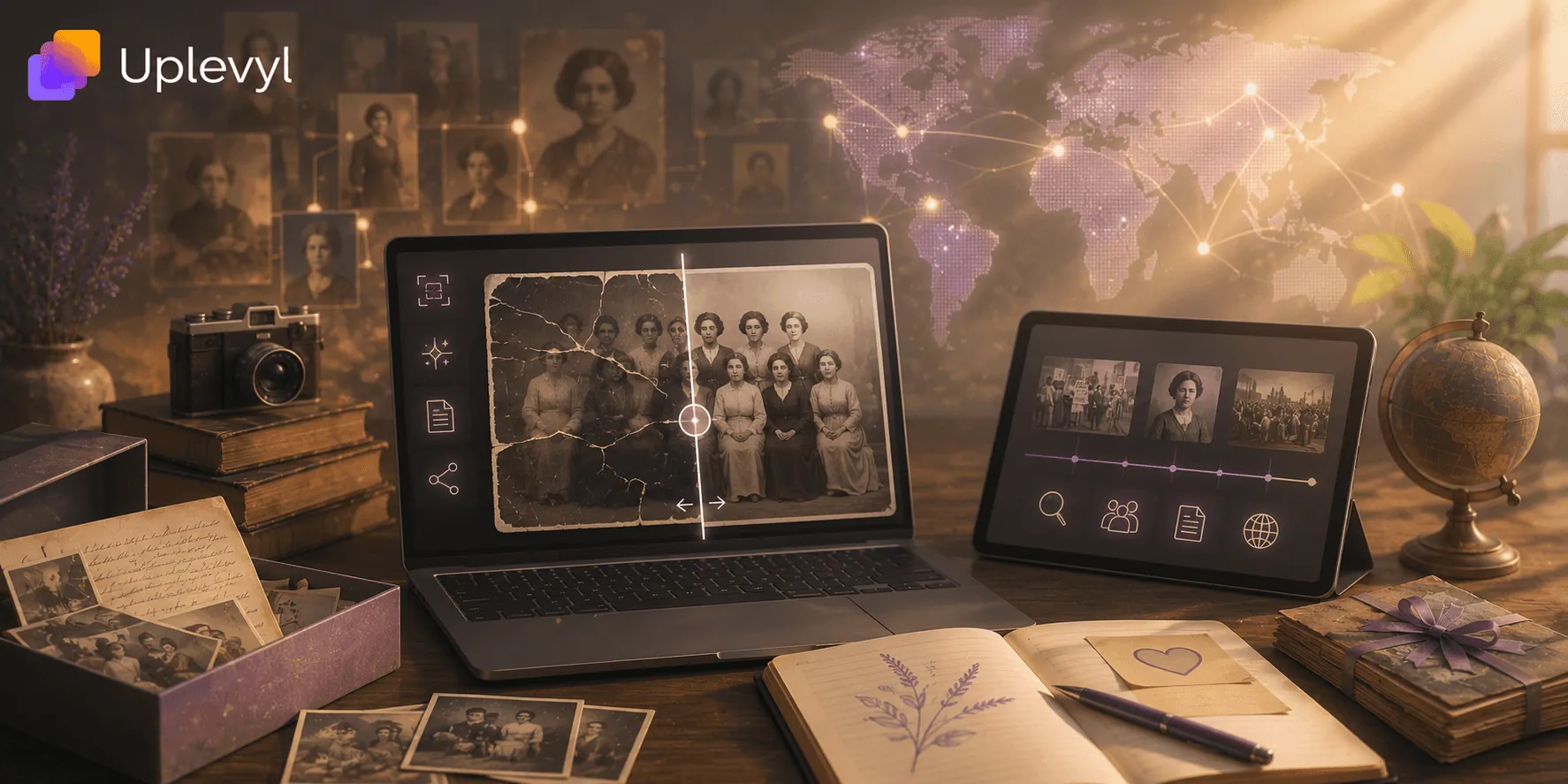
The Smithsonian’s Discoverability Lab is using machine learning, open data, and computational analysis to reexamine archives. Their mission is straightforward: use advanced tools to surface contributions that have long been hidden in scattered reports and footnotes.
By treating data as evidence, they are reconstructing networks of innovators whose work shaped science, art, and progress but was not fully recognized.
3. What Examples Show The Power Of Digital Discovery?
- The Funk List: By analyzing records honoring botanist Dr. Vicki Funk, researchers uncovered networks of overlooked contributors central to Smithsonian science.
- The Metadata Project: The Smithsonian released 2.8 million images and 173 years of records, using algorithms to reveal collaboration patterns invisible to the human eye.
- What’s In A Name?: Correcting cataloging practices restored the legacies of individuals like artist and botanist Mary Vaux Walcott, whose work had been nearly erased.
- The Human Computer Project: In collaboration with Margot Lee Shetterly (author of Hidden Figures), archives at NASA, Bell Labs, and the Naval Research Laboratory are being digitized to highlight the contributions of mathematicians and engineers once labeled “subprofessional.”
These examples show that visibility can be rebuilt one dataset at a time.
4. Why Does Visibility Matter For Future Generations?
Correcting the record is about more than history. It’s about impact today:
- A granddaughter might learn her grandmother’s role in aerospace was far greater than family stories suggested.
- A student might see networks of scientists and realize her aspirations are part of a long continuum.
Every recovered name and corrected attribution helps rewrite cultural memory, turning isolated stories into a richer, interconnected narrative.
5. How Can Technology Build A More Accurate Record?
Digital projects like the Discoverability Lab prove that machine learning and open data are not neutral — they reflect values. Used thoughtfully, they can repair gaps and ensure contributions are preserved.
At Uplevyl, we see this as a roadmap. Just as the Smithsonian is using technology to restore overlooked achievements, we are working to ensure professionals today are fully visible in the digital economy. Our platform amplifies voices, builds confidence, and protects agency in the AI era.
6. What Is the Takeaway?
History has always been shaped by what was recorded — and by what was left out. Now, with digital tools, we have the chance to rebuild a fuller picture of human achievement.
The question is not whether technology will shape the future. It will. The question is whether we will use it to preserve contributions accurately, ensuring they are recognized and valued for generations to come.
At Uplevyl, we are committed to ensuring no story is lost in tomorrow’s record.
7. FAQs
1. How has historical research traditionally overlooked women and other contributors?
For centuries, archives and academic research prioritized male-centered narratives. Women’s achievements were often documented under their husbands’ names or omitted entirely, leading to systemic underrepresentation in official records. This historical imbalance has shaped who is remembered — and who isn’t.
2. How is technology helping to uncover forgotten figures and stories?
Digital tools like machine learning, data visualization, and open-access archives are helping historians identify overlooked contributors. Projects such as the Smithsonian Discoverability Lab analyze massive datasets to reveal hidden networks of innovation, restoring visibility to individuals who shaped science, art, and progress.
3. What are examples of technology revealing lost contributions?
Initiatives like The Funk List, The Metadata Project, and The Human Computer Project demonstrate how algorithms and digitization can expose patterns invisible to traditional research. These projects have helped reattribute work to women scientists, artists, and engineers who were historically sidelined or miscredited.
4. Why does historical visibility matter for future generations?
Visibility isn’t just about recognition — it shapes identity and aspiration. When people see accurate records of past innovators who look like them, it strengthens their confidence and connection to history. Rebuilding representation helps future generations see themselves as part of the story, not outside it.
5. How can technology ensure history is recorded more accurately going forward?
AI and open-data initiatives can make historical archives more inclusive — if guided by ethical frameworks. Tools that identify bias, cross-reference sources, and democratize access can help ensure future records reflect the full spectrum of contributors, not just those historically privileged by access or visibility.
6. What role does Uplevyl play in shaping this new digital record?
Like the Smithsonian’s digital archives, Uplevyl focuses on visibility — not for the past, but for today’s professionals. By combining AI and ethical data practices, Uplevyl helps ensure women’s achievements are fully visible in the digital economy, building a future where no contribution goes unnoticed or undervalued.