Table of Contents
- What Is Risk-Driven Culture And Where Does It Come From?
- What Are The Positive Aspects Of AI Innovation?
- How Can A Risk-Driven Mindset Create Challenges For Women?
- How Is Uplevyl Offering A Different Path Forward?
- What Is the Takeaway?
- FAQs
1. What Is Risk-Driven Culture And Where Does It Come From?
Much of today’s AI industry has been shaped by a fast-moving, risk-driven culture. This approach — often described by the phrase “move fast and break things” — originated in Silicon Valley’s early startup environment, where speed and boldness were valued above caution.
This mindset helped launch some of the world’s biggest innovations but also created an environment where broader impacts were not always considered. In AI, this can mean building powerful systems quickly without fully accounting for ethical, social, or long-term consequences.
2. What Are The Positive Aspects Of AI Innovation?
The risk-taking spirit behind AI has undeniable benefits. It has led to breakthroughs that transformed healthcare, finance, communication, and countless other industries. A willingness to push boundaries often accelerates progress and enables bold new solutions.
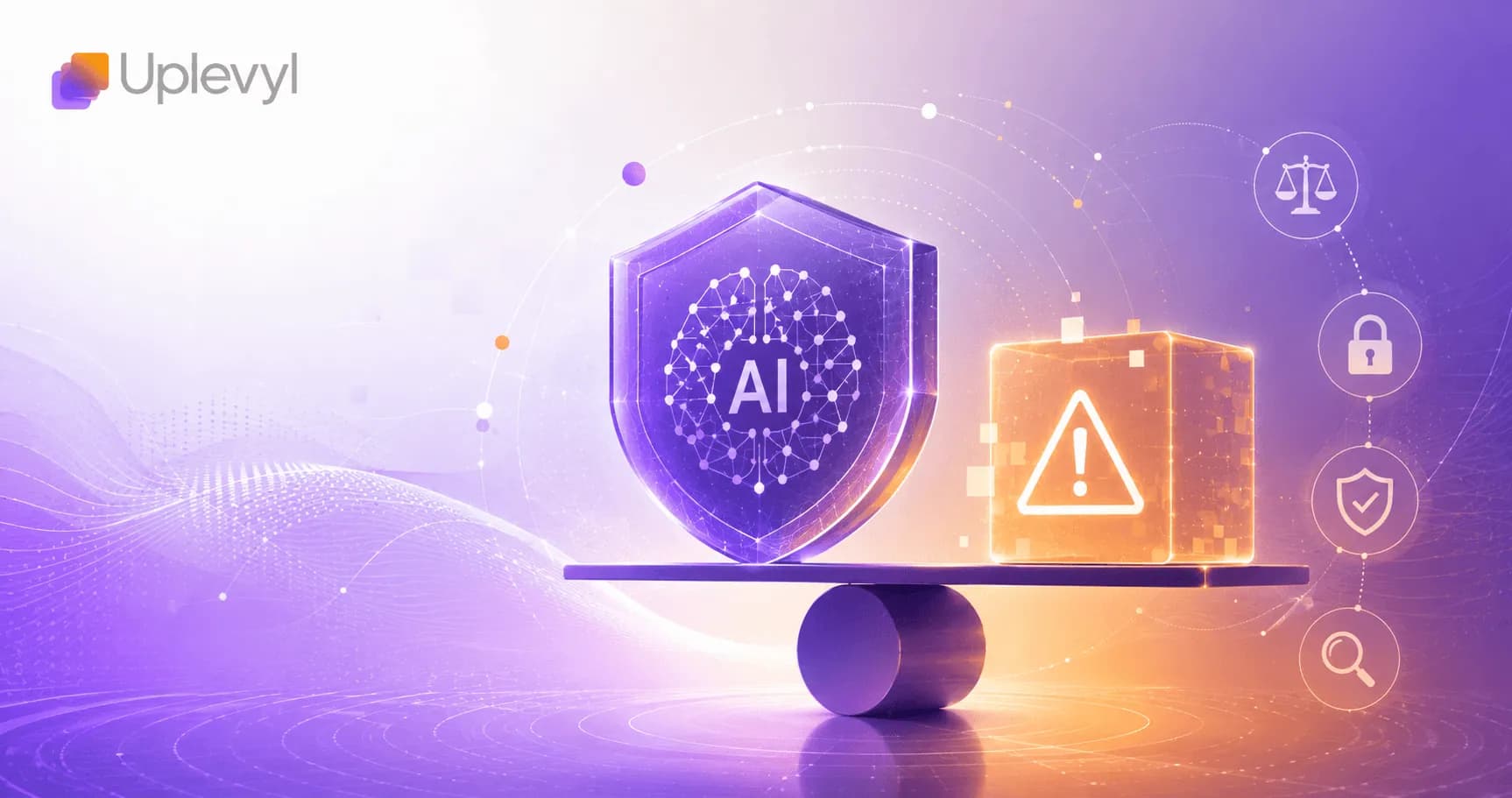
When guided by responsibility and careful oversight, this culture of innovation can fuel growth while still protecting the interests of society as a whole. The challenge is not to slow progress but to balance speed with accountability.
3. How Can A Risk-Driven Mindset Create Challenges For Women?
The rapid “build first, refine later” approach carries risks — especially when AI models are trained on incomplete or unbalanced datasets.
- Bias in recognition systems: A study from MIT found that facial recognition systems misidentified women, especially women of color, at much higher rates than men.
- Bias in decision-making tools: Research shows that many AI systems used in hiring favored male candidates, as seen in the well-documented case of Amazon’s AI recruiting tool.
- Reinforcement of stereotypes: If training data disproportionately links certain professions or leadership roles with men, AI systems may replicate those associations in outputs.
These issues don’t just reflect technology errors; they influence how people are perceived in professional and social contexts. Without proper safeguards, AI can unintentionally limit opportunities rather than expand them.
4. How Is Uplevyl Offering A Different Path Forward?
Uplevyl is building AI solutions designed to provide balanced and reliable results. By training on carefully structured datasets and emphasizing accuracy, Uplevyl reduces the risk of models repeating harmful patterns.
But Uplevyl’s role extends beyond technology:
- UpGenie delivers AI-powered career guidance tailored to each user’s goals.
- Peer Coaching, Mentorship, and Events provide women with trusted networks for growth and collaboration.
- Expert Content equips women professionals with both leadership and digital skills to stay ahead of workforce shifts.
This holistic approach combines technology with human connection, ensuring women professionals are prepared to thrive in an AI-driven economy.
5. What Is the Takeaway?
The culture that shaped early AI innovation rewarded boldness — but boldness without balance creates blind spots. The future of AI depends on building systems that are both fast-moving and thoughtfully designed.
At Uplevyl, we believe that by pairing cutting-edge tools with strong human support systems, women leaders can shape a future where technology works for everyone.
6. FAQs
1. What does “risk-driven culture” mean in the context of AI innovation?
Risk-driven culture refers to the mindset of prioritizing speed, experimentation, and disruption in technology development — a philosophy often summarized by “move fast and break things.” While this approach drives rapid innovation, it can also lead to ethical blind spots and unintended social consequences if not paired with accountability and inclusion.
2. What are the benefits of a risk-taking culture in AI development?
A culture of bold experimentation has fueled many of the biggest breakthroughs in artificial intelligence — from healthcare analytics to autonomous systems. Risk-taking encourages creativity and accelerates technological progress. However, sustainable success comes when organizations balance innovation with governance, ensuring that speed doesn’t outpace responsibility.
3. How does a risk-driven mindset contribute to bias or inequality in AI systems?
Rapid development cycles often mean less time for ethical testing or diverse data inclusion. This can produce biased outcomes — such as facial recognition systems misidentifying women of color or hiring algorithms favoring male applicants. These examples show how unchecked AI risk culture can reinforce inequality rather than innovation.
4. Why does risk culture affect women differently in AI and tech fields?
AI systems are only as fair as the data and perspectives used to build them. Since women remain underrepresented in AI engineering and data science, risk-heavy development often overlooks gendered impacts — from biased algorithms to underinclusive product design. Increasing women’s participation ensures fairer, more human-centered innovation.
5. How is Uplevyl promoting a more balanced approach to AI development?
Uplevyl’s AI ecosystem integrates responsibility, inclusion, and mentorship into the design process. Through UpGenie’s personalized guidance, structured peer mentorship, and expert learning content, Uplevyl empowers women to lead confidently in an AI-driven world — blending technological speed with human wisdom for sustainable progress.